
What Is Asphalt Sealcoating and Why Does It Matter?
Many homeowners and property managers wait until their asphalt starts cracking, fading, or breaking down before taking action. The problem is that by the time the damage is visible, the surface is already losing protection.
Asphalt sealcoating is a protective layer applied to the surface of your driveway or parking lot to shield it from water, UV rays, oxidation, chemicals, and daily wear. It helps preserve the asphalt underneath and slows down the deterioration process.
Without sealcoating, asphalt is exposed to sun, rain, oil, and traffic every day. Over time, that exposure dries out the surface, weakens it, and leads to cracking, potholes, and costly repairs.
Sealcoating is not just about making asphalt look darker or newer. It is a preventative maintenance service that helps protect your investment and extend the life of your pavement.
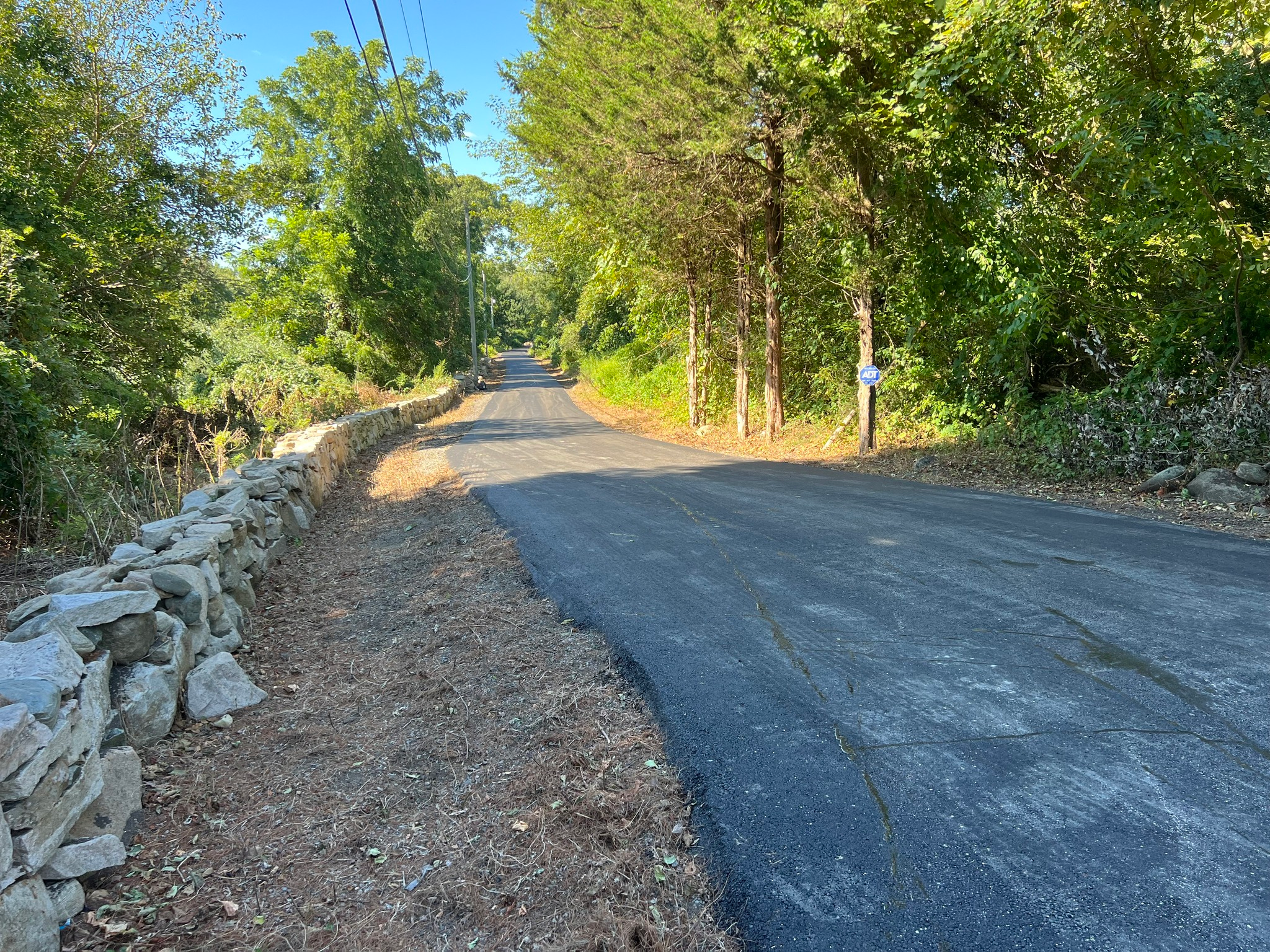
Why Sealcoating Is a Smart Investment
Extend Pavement Life
Sealcoating helps protect the surface from premature wear, allowing your asphalt to last longer before major repairs or replacement are needed.
Protect the Asphalt Surface
It creates a barrier against water penetration, UV exposure, oil drips, and daily traffic, all of which contribute to surface breakdown.
Improve Appearance
Fresh sealcoating gives asphalt a clean, rich black finish that instantly improves the look of your property and creates a more professional appearance.
Reduce Long-Term Costs
Preventative maintenance is far more affordable than waiting for cracks, potholes, and structural issues to spread.
Support a Stronger Maintenance Plan
Sealcoating works best as part of a larger asphalt maintenance strategy that includes inspections, crack filling, and repairs when needed.
When Should You Sealcoat Asphalt?
Timing matters. Sealcoating too late can leave the surface vulnerable to deeper damage, while sealcoating at the right time helps preserve the pavement before problems begin.
In most cases, asphalt should be sealcoated every 2 to 3 years, depending on traffic levels, weather exposure, and overall surface condition. Here’s a simple timeline to keep in mind:
New Asphalt
New asphalt should typically cure for several months before the first sealcoating application. This allows the surface to properly set before being sealed.
Established Asphalt
For existing pavement, sealcoating every few years helps maintain protection and appearance.
High-Traffic Areas
Driveways, parking lots, and properties with heavier traffic may need more frequent inspections and maintenance to stay protected.
If You Notice Fading or Dryness
A gray, faded, or dry-looking surface is often a sign that your asphalt is losing protection and may be ready for sealcoating.
See the Difference Sealcoating Makes
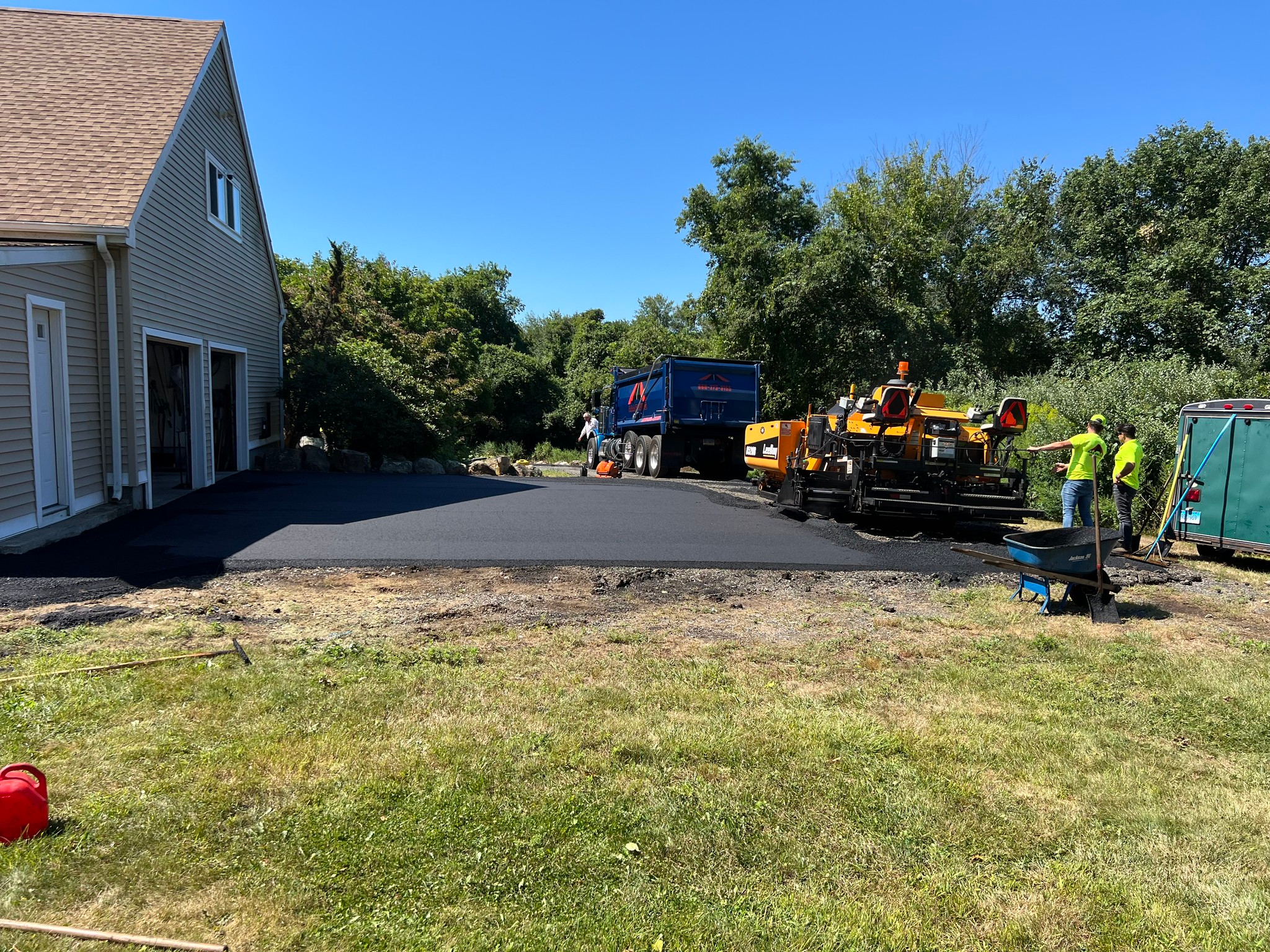
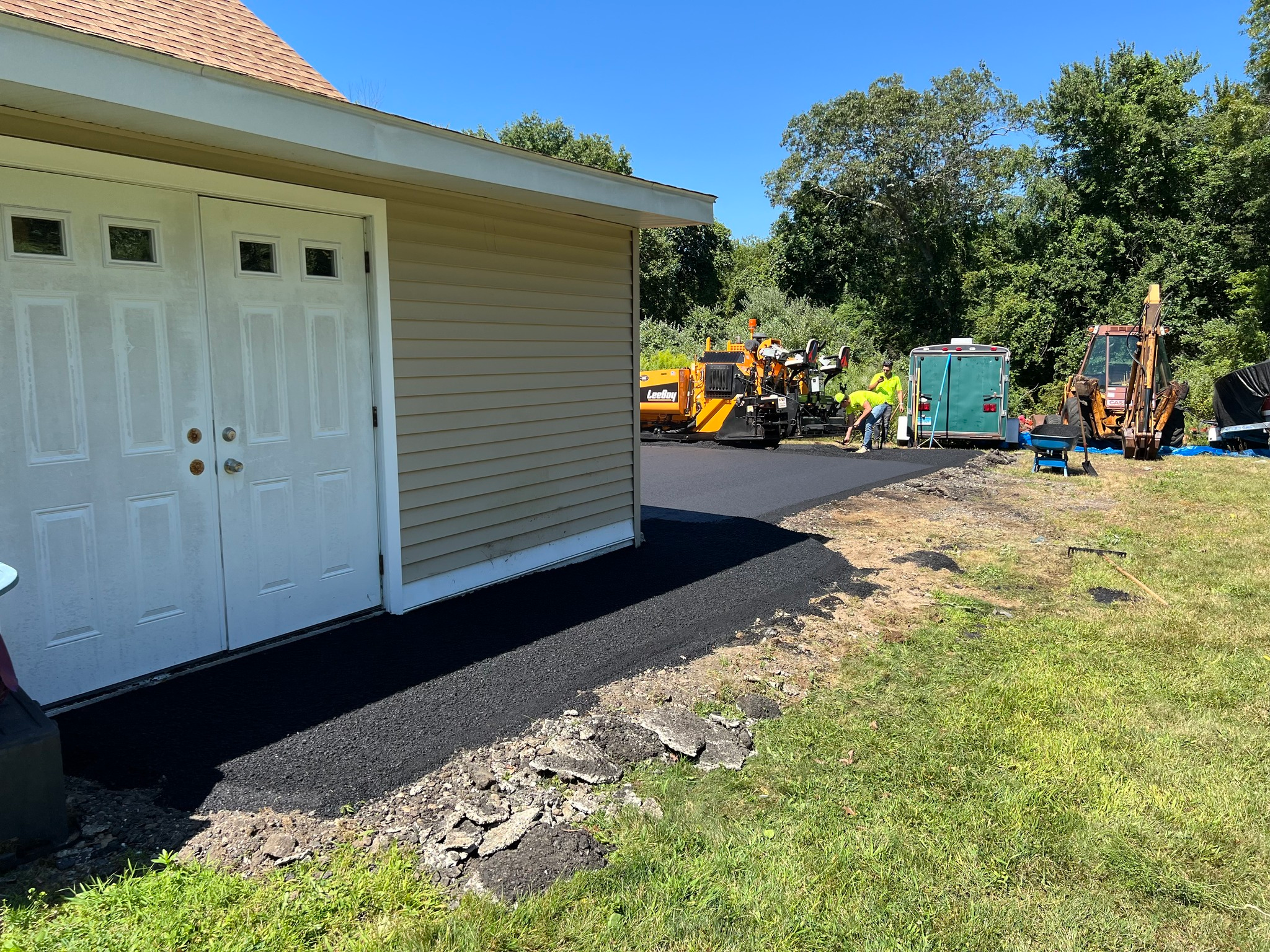
Sealcoating instantly refreshes the look of worn asphalt while adding a protective layer that helps preserve the surface underneath. This is one of the simplest ways to improve curb appeal and protect your pavement at the same time.
Frequently Asked Questions
1. What is asphalt sealcoating?
2. Why is sealcoating important?
3. How often should asphalt be sealcoated?
4. Does sealcoating fix cracks or potholes?
5. How long does sealcoating last?
6. When should new asphalt be sealcoated for the first time?
7. Does sealcoating make asphalt look new again?
8. Is sealcoating worth it for my property?
9. Can sealcoating help extend pavement life?
10. How do I know if my asphalt needs sealcoating?
Protect Your Asphalt Before It Costs You More
Sealcoating is one of the smartest ways to protect your asphalt surface, improve appearance, and extend pavement life without the cost of major repairs.
Get a professional estimate and keep your pavement protected for the long run.
Fast response. No obligation. Just clear answers.